


Howdy everyone! Hope you’ve been able to navigate this week, because there’s been a lot going on. Between remembering 9/11, another batch of economic data, and markets trying to digest what all of it means, we’ve got plenty to look at.
So I’ve spent most of the year telling you where I thought this economy was headed, and this week gave me a pretty good chance to see whether I was right, wrong, or somewhere annoyingly in between. But before we get into markets today, I’d be pretty remiss if I didn’t acknowledge what day it is.

Twenty-five years ago this morning, September 11th changed this country. Nearly 3,000 people went to work, boarded airplanes, showed up for a shift, answered a call, or simply started what they thought was another normal Tuesday and never came home. For those of us old enough to remember it, you probably remember exactly where you were when you realized what was happening. I know I do, and I clearly remember the disbelief I felt.
A whole lot changed after that day. Our military, our foreign policy, our politics, and frankly an entire generation of Americans were shaped by what happened that morning and everything that followed. Twenty-five years later, there are still first responders, families, veterans, and communities living with the consequences, so before we start worrying about CPI, Kevin Warsh, or whether the 10-year Treasury is going to scare the hell out of everybody at 5%, let’s take a second today and remember the people behind the date.
So Where Are We?
If you’ve been reading these letters for a while, you know I’ve been pretty specific about what I thought the next 12 to 18 months would look like, and at the center of that outlook has been a transition into a reflationary expansion.
Not 2021-style stimulus insanity, and not some magical Goldilocks scenario where inflation falls to 2%, the Fed cuts five times, the 10-year goes to 3.5%, and everybody is spending like there’s no tomorrow.

Nope, what I’ve been talking about is far more messy. Fiscal policy remains dominant, Washington keeps spending, AI infrastructure, power generation, transmission, defense, manufacturing, and industrial policy continue pulling capital into the real economy, the dollar gradually weakens, inflation stays stickier than everybody would like, nominal growth stays pretty good, banks eventually benefit from a steeper curve, real assets work, and international markets look pretty darn attractive.
The Fed has always mattered in that framework, but I never needed it to ride in like the cavalry and rescue the economy with a giant cutting cycle. All I asked was for the Fed to just not kill it.
My year-end outlook has evolved throughout the year as the data changed, but the broader regime call has stayed remarkably consistent. Back in early March, I was looking for a stronger second half, sticky but gradually improving inflation, a weaker dollar, and a Fed that could eventually begin easing. By late summer, stronger growth, stubborn inflation and the Middle East had already forced me to raise some of those assumptions, particularly inflation and the path of interest rates.
So rather than pretend I’ve been carrying the same numbers around all year, let’s look at where I was heading into this week and what, if anything, we now need to change.
The Economy Didn’t Read the Recession Memo
Last Friday we got 162,000 new jobs in August when economists were expecting something much weaker, unemployment held at 4.1%, the labor force expanded, and wage growth wasn’t particularly scary. Put all of that together and the message was pretty straightforward: the labor market isn’t booming, but it sure as hell isn’t rolling over either.
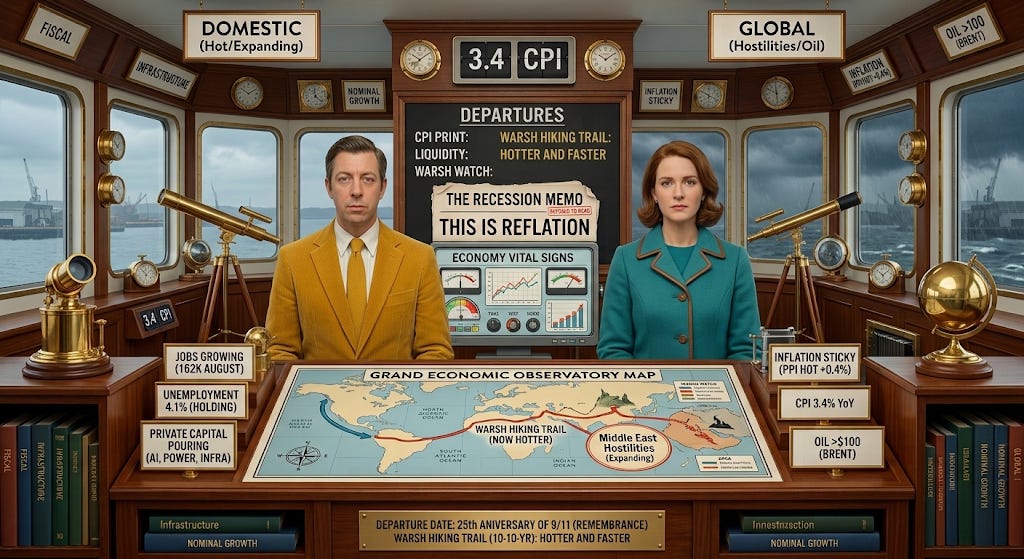
Then yesterday producer prices came in hot, with PPI rising 0.4% in August and goods prices jumping sharply, and this morning CPI decided it wanted in on the fun too. Headline inflation rose another 0.4% in August and is now running 3.4% year over year, while core rose 0.3%.
At the same time, Brent has spent the week above $100 as the Middle East continues doing its best impression of a geopolitical dumpster fire, which means the inflation problem isn’t just coming from domestic demand. Energy, shipping, insurance, transportation, and supply chains all matter too.
So think about what we’ve actually got here:
Jobs are still growing and the economy is still expanding.
Government spending remains strong and private capital is still pouring into AI, power and infrastructure.
Inflation is sticky, with producer prices rising and CPI sitting at 3.4%.
Oil is still above $100, and my call for an end to the Middle East hostilities is looking increasingly bleak. Instead of de-escalation, we’ve had continued disruption through Hormuz and another leg higher in energy prices.
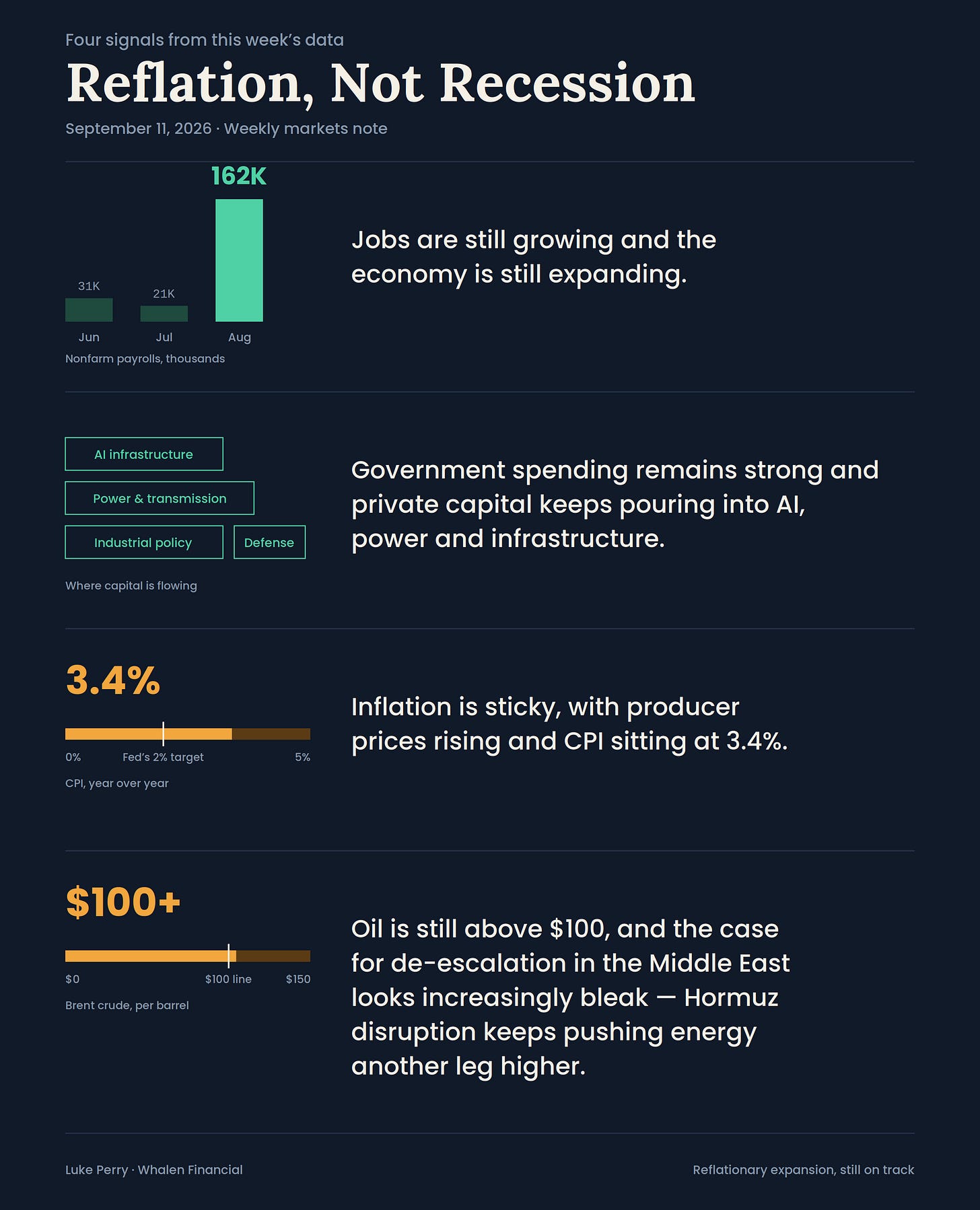
Put it all together and this still looks a whole lot more like reflation than recession.
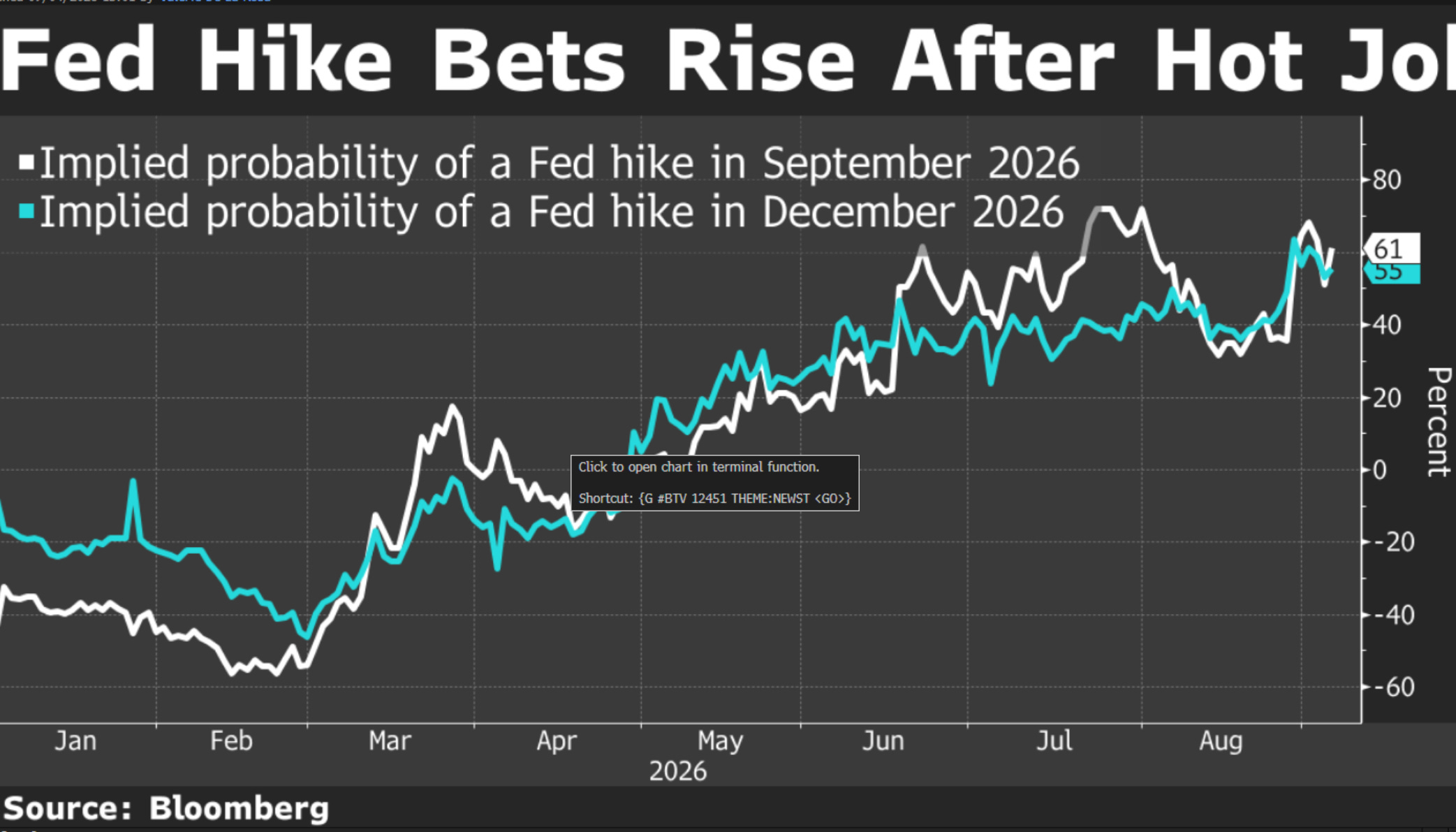
Markets went from around 70% to roughly 90% probability on a 25 basis point hike next week the moment CPI hit the tape, and at this point I think that's probably the right call.
If anything, the fact that Warsh can hike while the economy is still growing, employment is still holding together, and capital spending remains strong may be telling me that the reflationary expansion I’ve been talking about is showing up a little faster, and a little hotter, than I expected.
I Got the Fed Wrong. That Doesn’t Mean I Got the Economy Wrong.
There’s an important distinction here because my thesis was never supposed to be inflation collapses, the Fed cuts, stocks go up, Bob’s your uncle. If that were the whole thing, I could save myself a whole lot of time writing these every Friday.
The reason I’ve been calling for reflationary expansion is because fiscal policy is doing an enormous amount of the work that monetary policy traditionally did. The federal government is spending into infrastructure, defense, manufacturing, energy, and technology while simultaneously running enormous deficits, private capital is piling into AI infrastructure, power demand is accelerating, energy markets are tight, and labor is still relatively scarce.
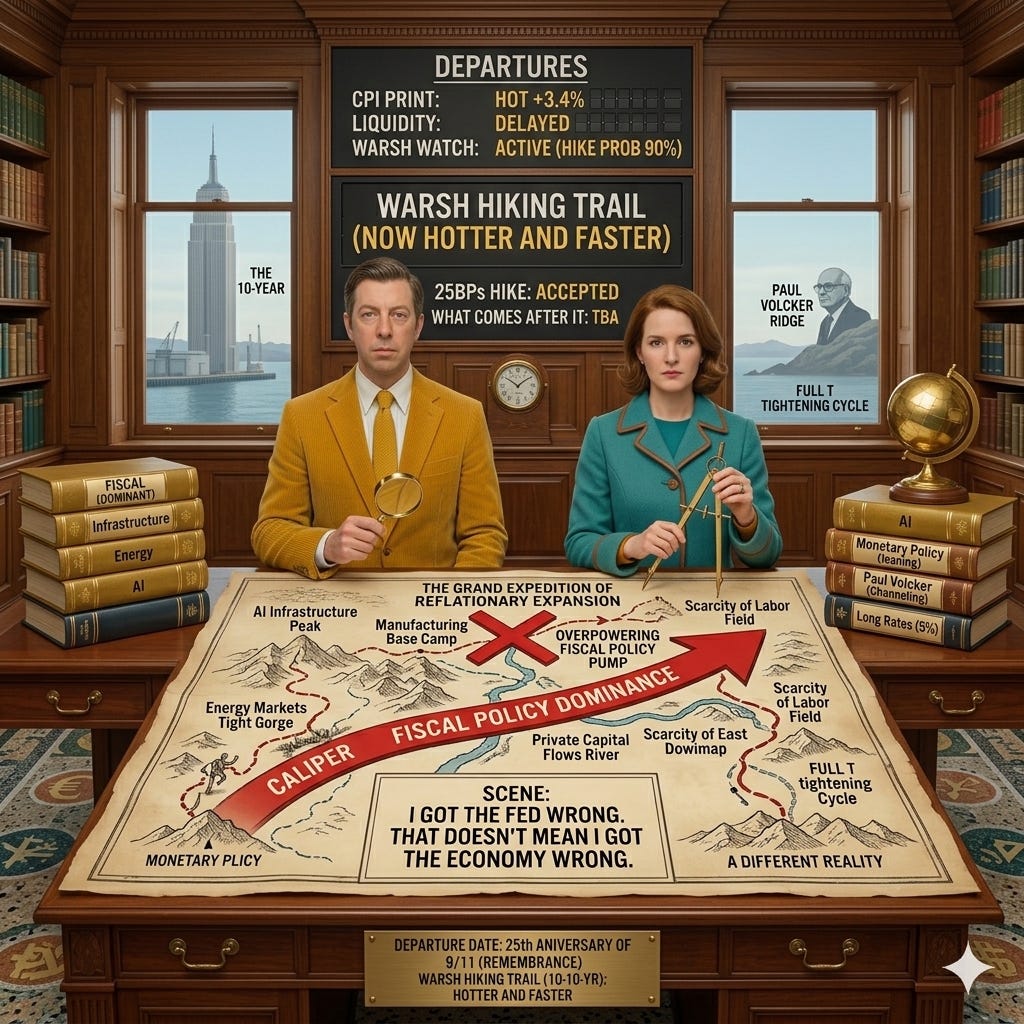
Monetary policy can lean against all of that, but the real question is whether it can overpower it. One hike doesn’t do that, but a Volcker style tightening cycle, with long rates already flirting with 5%, is a different story and one I’d rather not have to live through.
That’s why next Wednesday matters so much more than whether the Fed simply moves the overnight rate another quarter point. Everybody already knows what a 25 basis point hike looks like, but what I really want to know is what Warsh thinks comes after it.
The Number I Care About More Than Fed Funds
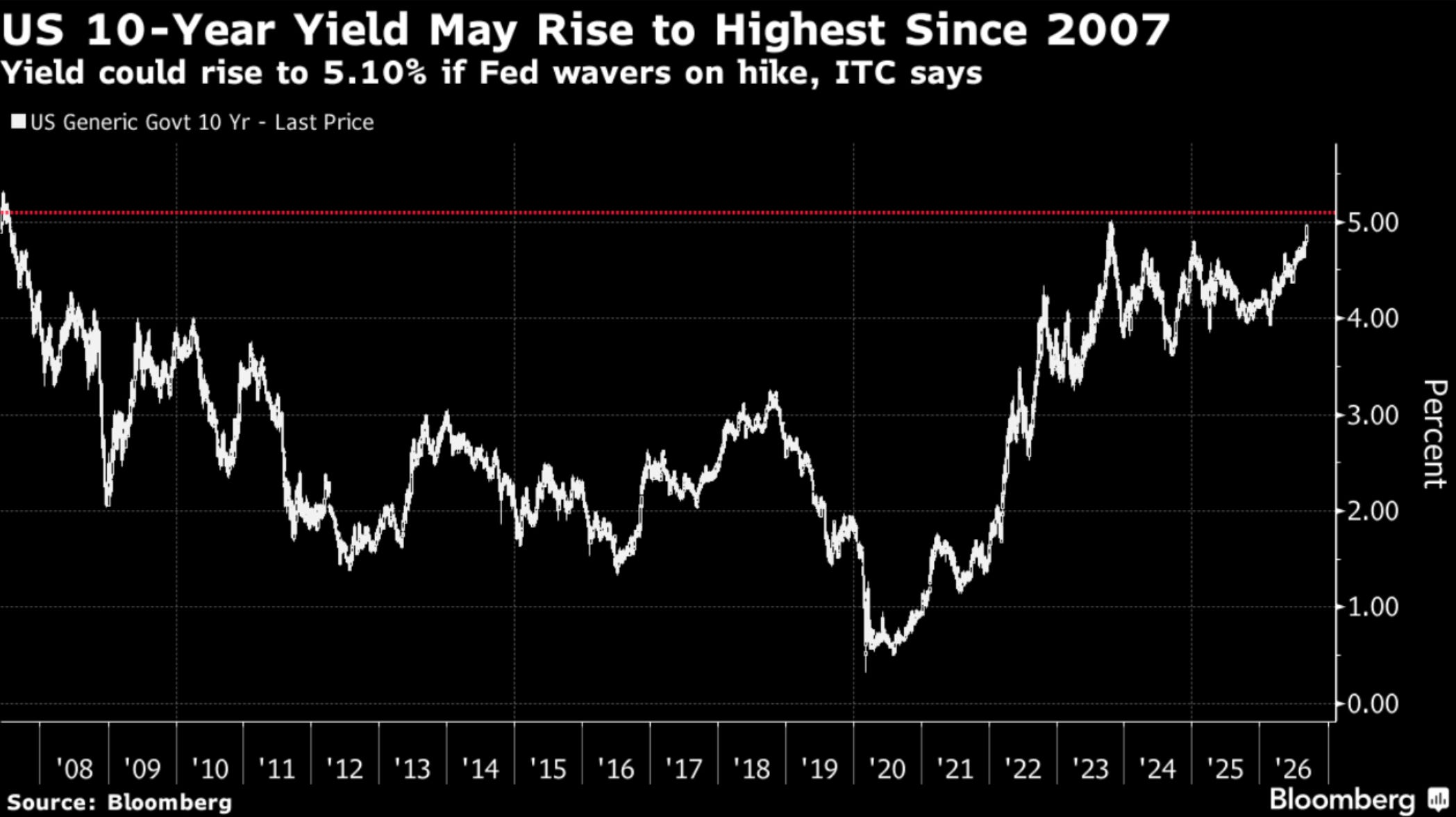
The 10-year nearly touched 5% this week, and that’s the number I’m watching much more closely than the overnight rate because there’s a very big difference between the 10-year briefly poking through 5% during an inflation scare and the market deciding it needs to live there.
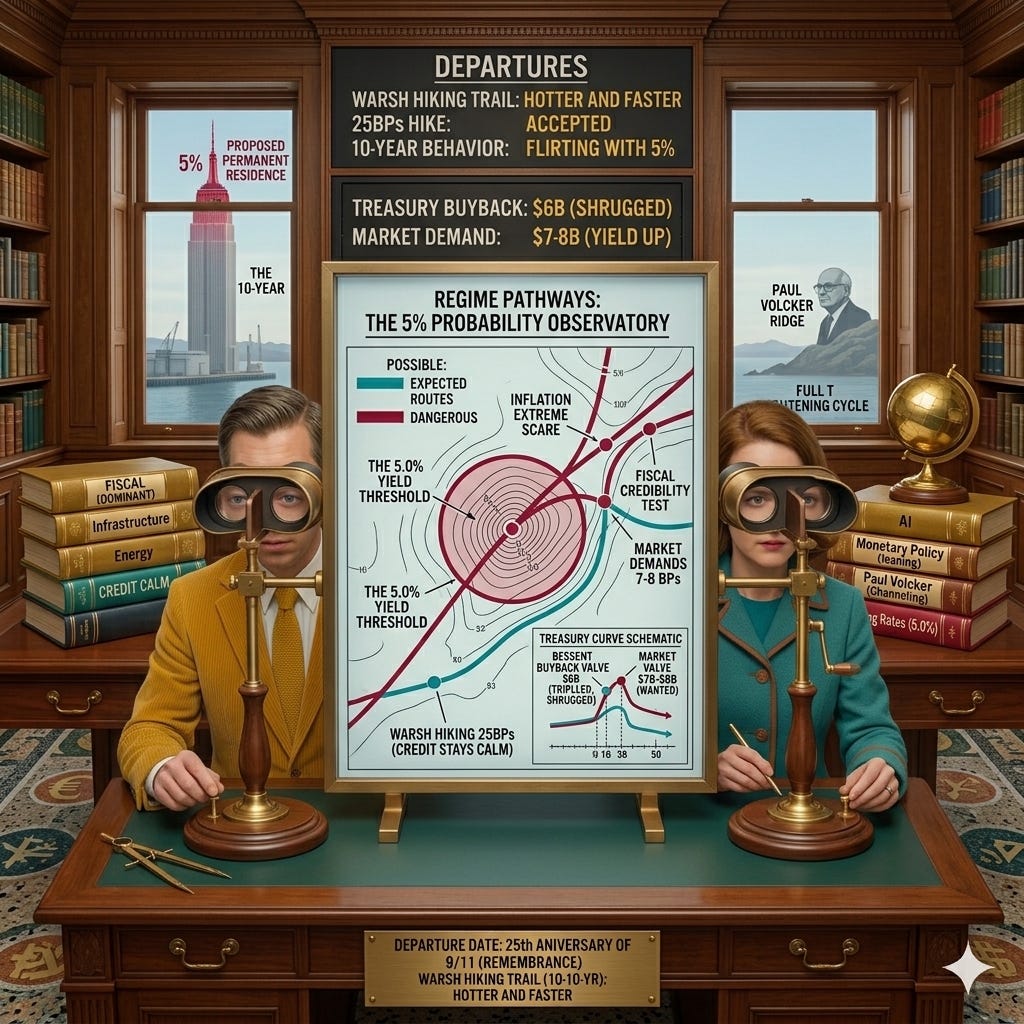
Five percent isn’t some magical barrier handed down from Mount Sinai, but at some point the cost of capital starts mattering a whole lot more than whether the Fed moved another quarter point.
Treasury clearly knows that too. Scott Bessent just tripled the planned size of a long-dated Treasury buyback to as much as $6 billion, and the market basically looked at it, shrugged, and pushed yields higher anyway. Obviously Bessent was saying 6 while the market wanted 7-8.
I’ve spent a lot of time talking about Treasury’s ability to influence the curve by issuing more on the short end, buying back longer-dated securities, and trying to keep bond volatility under control, and I still think they can influence it, but influence and control are two very different things.
A hike that settles into the high 4s is just a hike inside the regime and that I can handle. But if the 10-year blows through 5% and stays there, that’s the market pricing in something bigger than Kevin Warsh, namely fiscal credibility and how much yield investors are going to demand to keep financing all this spending.
Time to Grade My Homework
This is probably as good a week as any to grade where I was actually heading into September, because some of the outlook still looks pretty good, some of it needs adjusting, and the Fed call clearly needs a rewrite.

S&P 500: By late summer my base case had moved closer to 7,750 to 8,050, with 8,250-plus possible if everything lined up. We closed Friday around 7,657, so the base case still looks reasonable, but the bull case gets harder if the 10-year stays near 5% and oil keeps hanging around $100. Earnings can still carry the market higher, but at these rates I’m probably gonna need some help from either oil, the long end, or maybe both.
10-year Treasury: I was looking for something closer to the mid-4s by year-end, and with the 10-year finishing the week around 4.96%, this is probably the forecast under the most pressure. I still think we can get there if oil finally breaks lower and Treasury gets some help from the inflation data, but if yields start living above 5% despite Bessent actively trying to manage the long end, I’m gonna have to do some serious thinking.
Inflation: I already raised my inflation expectations by late summer, and this week tells me that was the right direction. Oil has stayed higher longer than I expected, the Middle East isn’t cooperating with my peace call, and both producer and consumer prices are reminding us that getting inflation back toward 2% was never going to be a straight line.
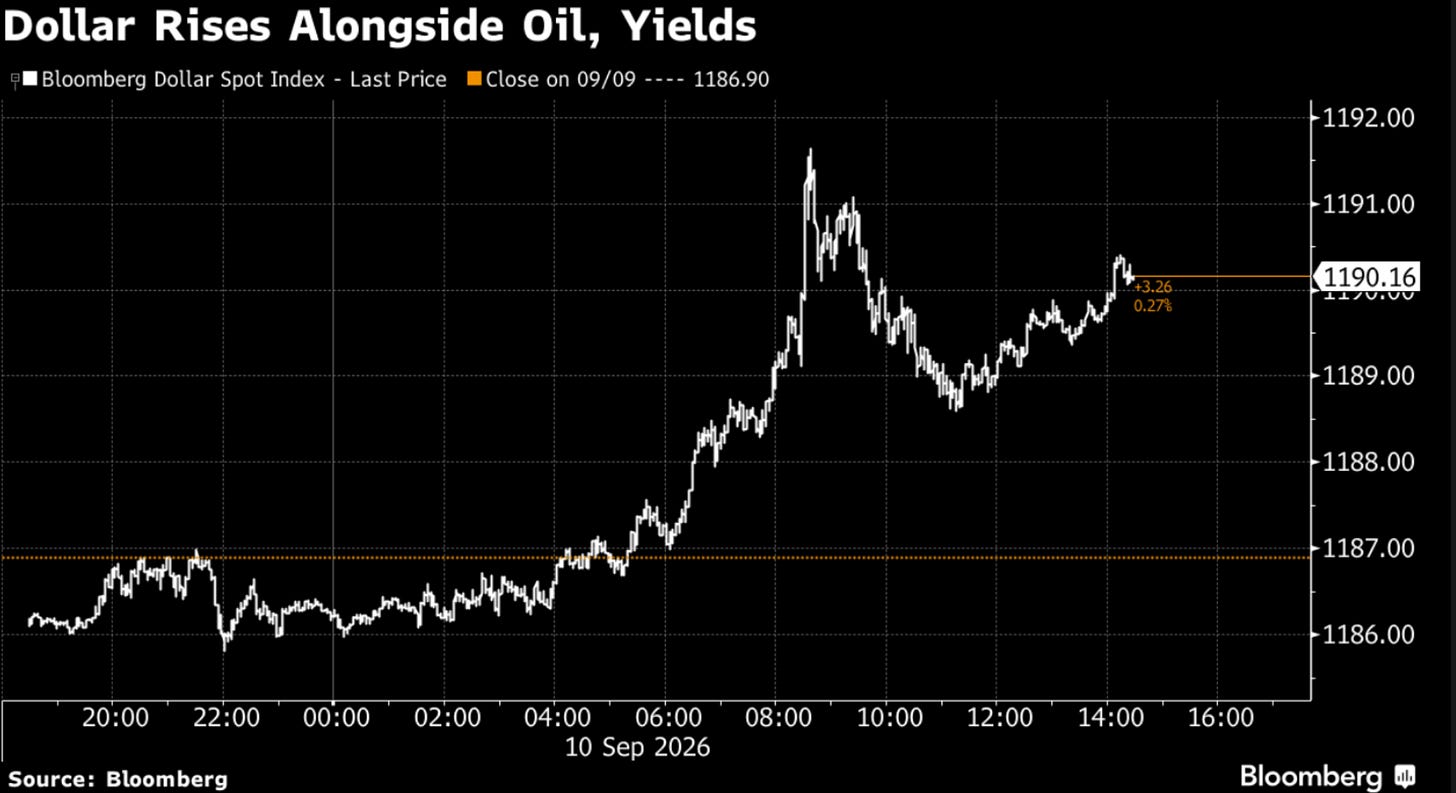
The dollar: This one still looks pretty good. DXY is sitting around 99 despite stronger growth, hotter inflation and the market suddenly pricing a Fed hike. If Warsh hikes Wednesday and the dollar still can’t sustain a breakout above 100 or 101, I’m actually going to feel better about the longer-term weaker-dollar thesis.
The Fed: This is the one I got wrong. By late August I had already moved away from expecting much easing, but I still thought Warsh could stay put and maybe get a cut later in the year. After this week, that looks pretty unlikely although I am hopeful. Markets are now pricing close to a 90% chance of a 25 basis point hike Wednesday, and the real question for us has shifted from whether he hikes to whether this is one and done or the beginning of something more.
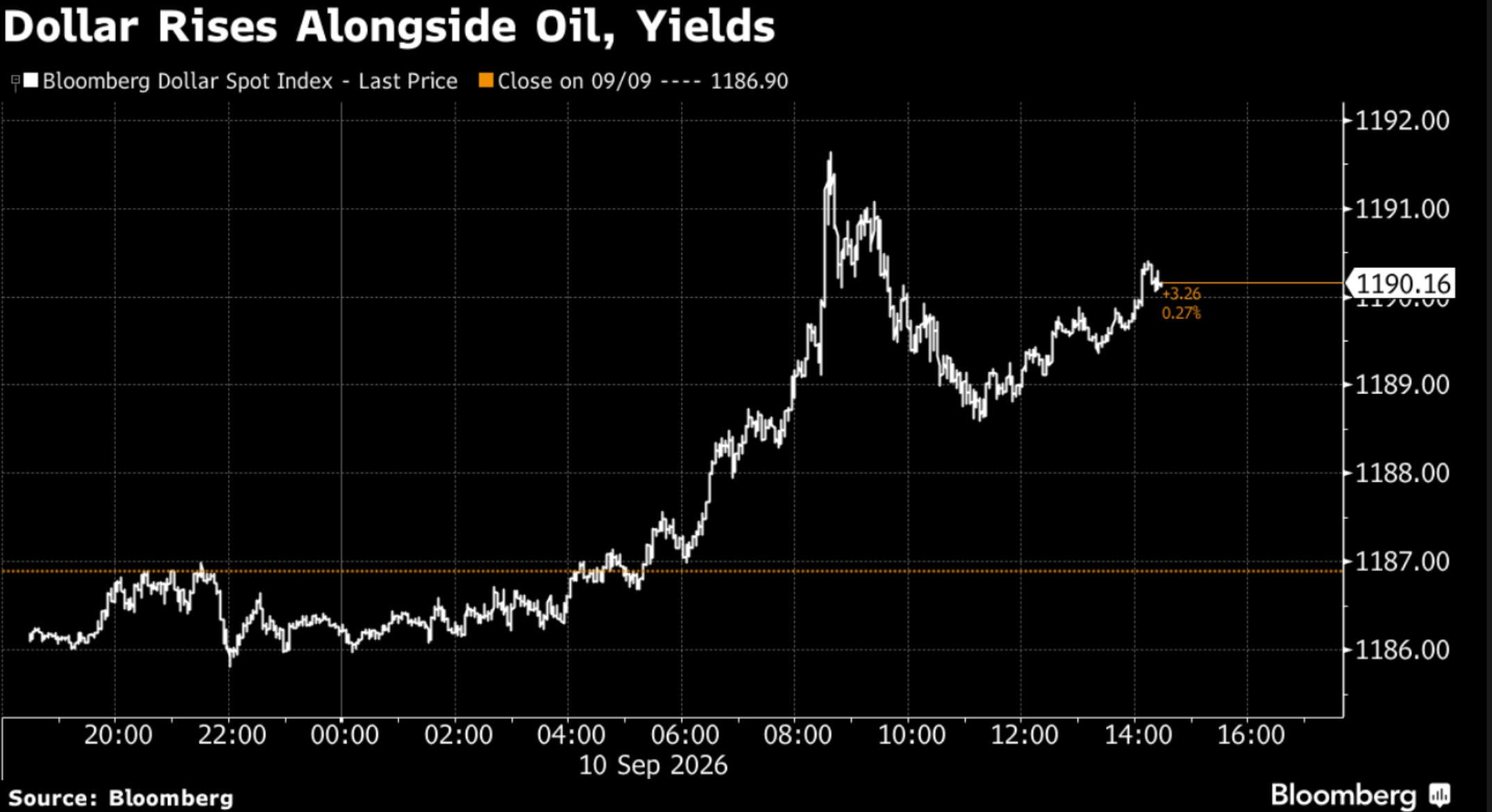
So the scorecard isn’t perfect, but it also isn’t some wholesale rejection of my outlook. The bigger reflationary framework still looks pretty good, and what changed this week is the amount of monetary tightening Warsh may need to throw at it.
What About the Next 12 to 18 Months?
This is the part of my forecast I’ve changed the least, because Kevin Warsh raising rates 25 basis points doesn’t suddenly make any of the structural trends we’ve been investing around disappear.
Power demand isn’t disappearing because the Fed hikes. The grid still needs upgrading, transformers still take years to deliver, data centers still need electricity, robotics and edge computing still require connectivity, sensors, power management and industrial automation, defense spending isn’t suddenly going down, natural gas is still the bridge fuel, nuclear is still coming back, water scarcity isn’t fixing itself, European countries are still rearming, and the United States still has an enormous debt load that eventually has to be managed through some combination of growth, inflation, financial repression, and a currency that probably buys less stuff ten years from now than it does today.

So no, my big-picture thesis hasn’t suddenly disappeared because CPI came in hot, and if anything I think this week reinforced a meaningful part of it because inflation has stayed sticky, fiscal policy continues supporting growth, and the economy has held up far better than monetary policy alone would have suggested. I’ve also been saying for months that nominal growth mattered more than everyone obsessing over when the next Fed cut was coming, and now we may not get a cut at all while the economy keeps chugging along anyway.
The real risk is that the Fed eventually gets dragged into fighting the very reflation we’re positioned for, which is why I care a whole lot less about the first 25 basis point hike than I do about what comes after it. One hike is manageable, but if Warsh starts signaling a series of hikes while the long end keeps pushing higher, then monetary policy starts becoming a real threat to the regime instead of simply leaning against it.
What Would Change My Mind?
This is the part that probably matters most because I’m perfectly comfortable being wrong on a forecast, but I’m not comfortable moving the goalposts afterward so I can pretend I was right.
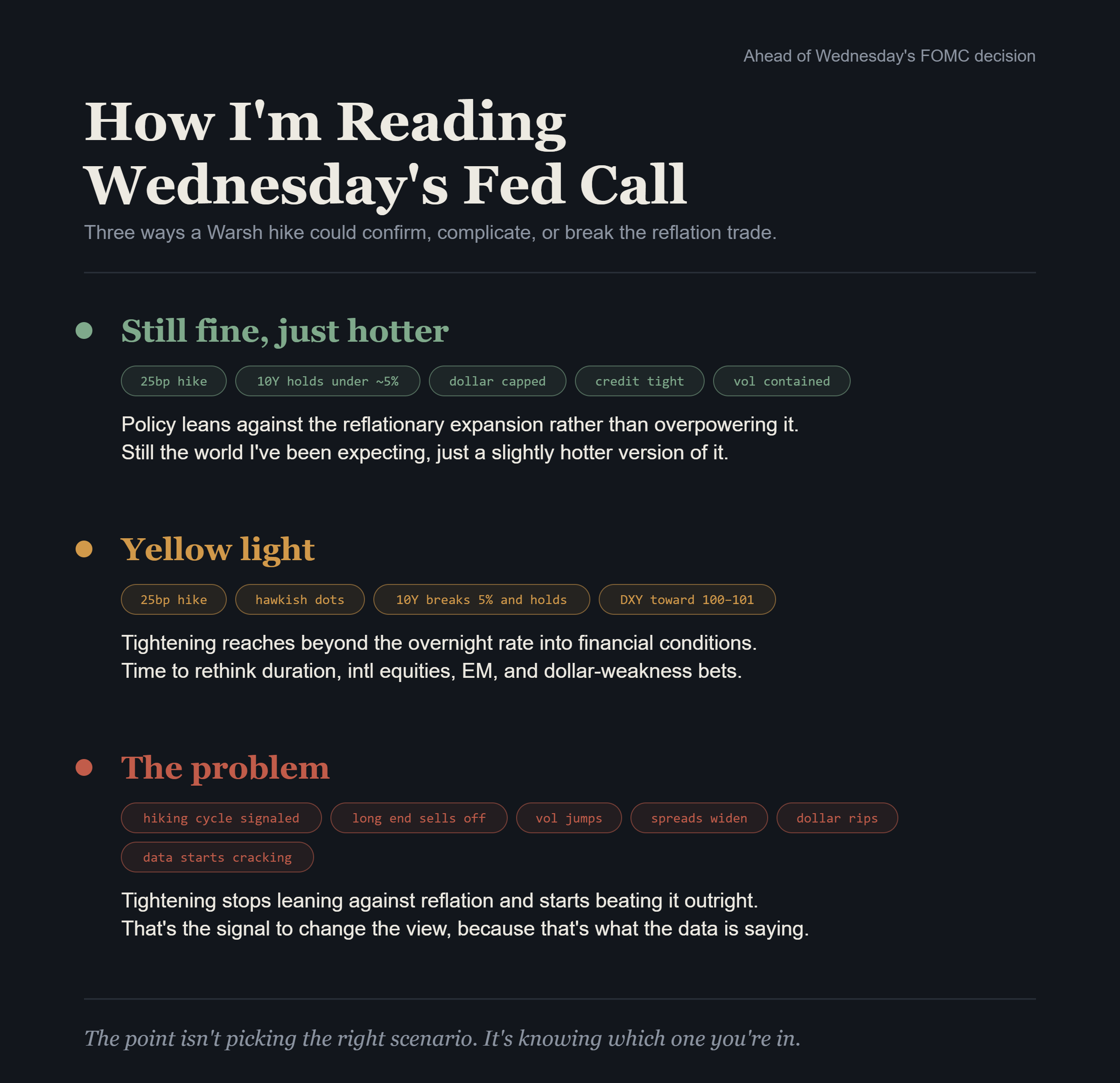
So here’s what I think we should be watching Wednesday:
Warsh hikes 25 basis points, the 10-year stays below roughly 5%, the dollar can’t break meaningfully higher, credit remains tight, and bond volatility stays contained: Fine. That’s still the world I’ve been expecting, just a slightly hotter version of it, with monetary policy leaning against the reflationary expansion rather than overpowering it.
Warsh hikes 25, the dots suggest another hike is coming, the 10-year moves through 5% and holds there, and DXY starts pushing through 100 or 101: Yellow light. Now we’re seeing tightening reach beyond the overnight rate and into actual financial conditions, and we’d need to start rethinking some of our assumptions around duration, international equities, EM, and the speed at which the dollar weakens.
Warsh signals a genuine hiking cycle, the long end keeps selling off, bond volatility jumps, credit spreads widen, the dollar rips higher, and economic data begin deteriorating underneath it: Now we’ve got a problem. That would tell me monetary tightening is no longer just leaning against the reflationary expansion, it’s beginning to beat it, and if that happens we change because that’s what the data told us to do.
The Bottom Line
So here’s the deal, I’ve spent most of this year asking whether the economy could survive higher interest rates, and after this week I’m starting to wonder whether that’s even the right question anymore. So far, the economy seems perfectly capable of doing just that. Jobs are still growing, fiscal spending remains enormous, private investment continues pouring into AI, power, defense, infrastructure and industrial capacity, inflation is still sticky, and oil is sitting above $100. Put all of that together and it looks an awful lot like the reflationary expansion I’ve been talking about.
So next Wednesday, I’m not that interested in whether Warsh hikes 25 basis points. I think he probably will, whether he needs to or not. What I care about is everything that happens after, whether the 10-year settles back down, whether the dollar behaves, whether he signals this was one shot across the bow rather than the start of a cycle. Get that and my 12 to 18 month outlook survives fine, maybe even stronger. Don’t get that and we’ve got real work to do.

Until then, I’m not throwing out the map because we hit a pothole. The road just got a little bumpier than I expected, and next week should give us a much better idea of whether that’s all this is or whether something more meaningful is starting to change.
And before I sign off, on the 25th anniversary of September 11th, take a moment to remember the people who never made it home, the first responders who ran toward the danger, and the families who have carried that day with them ever since. Some things are a whole lot bigger than markets.
Have a good weekend everyone!
Luke Perry
Portfolio Manager, Whalen Financial